<div><div><div property="content:encoded">
<h2>Executive Summary</h2>
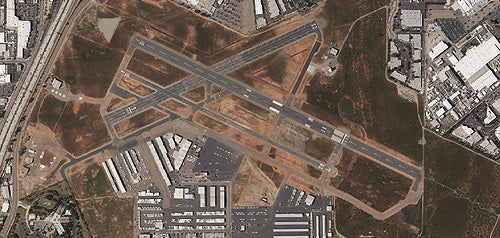
<p>The purpose of the Airport Planning Section of the Airports Division is to properly position Montgomery-Gibbs Executive Airport and Brown Field Municipal Airport to support current and future aviation demand through modernization of airport facilities, using established and innovative airport planning methods.</p>
<!-- start outer accordion --><div>
<div>
<h3><a href="https://www.sandiego.gov/#">General Airport Planning <i></i></a></h3>
<div>
<p>The Airports Division uses a systematic, logical approach to airport planning by identifying what each airport has, needs and wants, then establishing a pathway to get there. This approach ensures airport resources are used effectively in a financially feasible and environmentally responsible manner. Proper airport planning provides additional benefits to airport users and communities, such as enhanced airport safety, efficiency and economic activity. The Airport Planning Section has established the following goals:</p>
<ol>
<li>
<strong>Identify and prioritize airport infrastructure and planning projects.</strong><br>
<ol type="a">
<li>Complete Airport Master Planning</li>
<li>Update Airport Layout Plans</li>
<li>Update Pavement Management Plans</li>
</ol>
</li>
<li>
<strong>Promote compatible land uses consistent with aircraft operations.</strong><br>
<ol type="a">
<li>Review proposed off-airport projects located in the Airport Influence Area</li>
<li>Coordinate community plan updates with the Planning Department</li>
<li>Submit Airport Layout and Master Plans to ALUC for consistency determination</li>
</ol>
</li>
<li>
<strong>Promote and incorporate sustainable practices in airport projects and programs.</strong><br>
<ol type="a">
<li>Implement Recycling and Waste Diversion Plans</li>
<li>Conduct and implement Airport Sustainability Plans</li>
<li>Seek LEED certification for future airport building projects</li>
<li>Seek Envision recognition for future infrastructure projects</li>
</ol>
</li>
<li>
<strong>Identify and obtain federal and state funding for eligible airport projects.</strong><br>
<ol type="a">
<li>Complete and submit ACIP to FAA annually</li>
<li>Comply with federal reporting requirements</li>
</ol>
</li>
</ol>
</div>
</div>
<div>
<h3><a href="https://www.sandiego.gov/#">Airport Master Planning <i></i></a></h3>
<div>
<p>An airport master plan is a study to determine the long-term development plans for an airport including the extent, type and schedule of development needed. The master planning process considers the needs and demands of airport tenants, users and the general public. The Federal Aviation Administration (FAA) offers a number of objectives as a guide in the preparation of a master plan:</p>
<ul>
<li>Understand the issues, opportunities and constraints of the airport</li>
<li>Consider the impact of recent national and local aviation trends</li>
<li>Identify the capacity of airport infrastructure</li>
<li>Determine the need for new improvements</li>
<li>Estimate costs and identify potential funding sources</li>
<li>Develop a schedule for implementation of proposed projects</li>
<li>Comply with federal, state and local regulations</li>
</ul>
<p>In 2017, the Airports Division embarked on a master planning process to define the vision and provide the necessary framework to guide future airport development at Montgomery-Gibbs Executive and Brown Field Municipal airports for the next 20 years. The process included technical studies and was informed by community and stakeholder feedback gathered through a series of public workshops and advisory committee meetings. The resulting proposed airport master plan for each airport includes a report of existing conditions, a forecast of aviation activity, facility requirements needed to accommodate the forecasted aviation activity, development and evaluation of alternatives to meet those needs, an environmental overview and a phased funding plan for that development. The plans also include an Airport Layout Plan (ALP).</p>
</div>
</div>
<div>
<h3><a href="https://www.sandiego.gov/#">Airport Layout Plan (ALP) <i></i></a></h3>
<div>
<p>The ALP serves as a critical planning tool that depicts both existing facilities and planned development for an airport. Sponsors of airport development carried out at federally-obligated airports must accomplish the improvement in accordance with an FAA-approved ALP. By definition, the ALP is a plan for a specific airport that shows:</p>
<ul>
<li>Boundaries and proposed additions to all areas owned or controlled by the sponsor for airport purposes.</li>
<li>The location and nature of existing and proposed airport facilities and structures.</li>
<li>The location on the airport of existing and proposed non-aviation areas and improvements thereon.</li>
</ul>
<p>A current FAA-approved ALP is a prerequisite for receiving federal grants for eligible airport development. Sponsors who receive federal grants for airport development are obligated by grant assurance to keep the ALP current at all times.</p>
</div>
</div>
<div>
<h3><a href="https://www.sandiego.gov/#">Airport Capital Improvement Plan (ACIP) <i></i></a></h3>
<div>
<p>The Airport Capital Improvement Plan (ACIP) serves as the primary planning tool for systematically identifying, prioritizing, and assigning federal funds to critical airport development and associated capital needs for the National Airspace System (NAS). The ACIP also serves as the basis for the distribution of federal grant funds under the Airport Improvement Program (AIP) to airports identified in the National Plan of Integrated Airport Systems (NPIAS). By identifying and investing in airport development and capital needs, the Federal Aviation Administration (FAA) can ensure to the American public that the NAS is a safe, secure, and an efficient environment for air travel nationwide.</p>
<p>To remain eligible for future federal grants, Airports Division maintains and submits a 5-year ACIP to the FAA annually for projects that have been identified through the master plan process and placed on an FAA-approved ALP.</p>
</div>
</div>
<div>
<h3><a href="https://www.sandiego.gov/#">Airport Compatibility <i></i></a></h3>
<div>
<p>The San Diego County Regional Airport Authority (Authority) is the operator of San Diego International Airport and the Airport Land Use Commission (ALUC) for all airports in San Diego County. As such, the Authority is responsible for creating Airport Land Use Compatibility Plans (ALUCPs) for Brown Field Municipal and Montgomery-Gibbs Executive Airports, based on each airport master plan and ALP. The City of San Diego adopted an Airport Land Use Compatibility Overlay Zone to implement the adopted ALUCPs. Airports Division coordinates closely with the Authority and City departments to ensure off-airport land uses surrounding each airport are compatible with airport flight operations.</p>
</div>
</div>
</div>
<!-- end outer accordion -->
</div></div></div>
<div><div><div><img typeof="foaf:Image" src="https://www.sandiego.gov/sites/default/files/airport-planning-card.jpg" width="500" height="238" alt="aerial view of Montgomery Field"></div></div></div>
<div><div><div>Airports</div></div></div>
<div>
</div>
<div>
<div>Feature Card Only: </div>
<div><div></div></div>
</div>
<span property="dc:title" content="Airport Planning"></span>
Executive Summary
The purpose of the Airport Planning Section of the Airports Division is to properly position Montgomery-Gibbs Executive Airport and Brown Field Municipal Airport to support current and future aviation demand through modernization of airport facilities, using established and innovative airport planning methods.
The Airports Division uses a systematic, logical approach to airport planning by identifying what each airport has, needs and wants, then establishing a pathway to get there. This approach ensures airport resources are used effectively in a financially feasible and environmentally responsible manner. Proper airport planning provides additional benefits to airport users and communities, such as enhanced airport safety, efficiency and economic activity. The Airport Planning Section has established the following goals:
Identify and prioritize airport infrastructure and planning projects.
Complete Airport Master Planning
Update Airport Layout Plans
Update Pavement Management Plans
Promote compatible land uses consistent with aircraft operations.
Review proposed off-airport projects located in the Airport Influence Area
Coordinate community plan updates with the Planning Department
Submit Airport Layout and Master Plans to ALUC for consistency determination
Promote and incorporate sustainable practices in airport projects and programs.
Implement Recycling and Waste Diversion Plans
Conduct and implement Airport Sustainability Plans
Seek LEED certification for future airport building projects
Seek Envision recognition for future infrastructure projects
Identify and obtain federal and state funding for eligible airport projects.
An airport master plan is a study to determine the long-term development plans for an airport including the extent, type and schedule of development needed. The master planning process considers the needs and demands of airport tenants, users and the general public. The Federal Aviation Administration (FAA) offers a number of objectives as a guide in the preparation of a master plan:
Understand the issues, opportunities and constraints of the airport
Consider the impact of recent national and local aviation trends
Identify the capacity of airport infrastructure
Determine the need for new improvements
Estimate costs and identify potential funding sources
Develop a schedule for implementation of proposed projects
Comply with federal, state and local regulations
In 2017, the Airports Division embarked on a master planning process to define the vision and provide the necessary framework to guide future airport development at Montgomery-Gibbs Executive and Brown Field Municipal airports for the next 20 years. The process included technical studies and was informed by community and stakeholder feedback gathered through a series of public workshops and advisory committee meetings. The resulting proposed airport master plan for each airport includes a report of existing conditions, a forecast of aviation activity, facility requirements needed to accommodate the forecasted aviation activity, development and evaluation of alternatives to meet those needs, an environmental overview and a phased funding plan for that development. The plans also include an Airport Layout Plan (ALP).
The ALP serves as a critical planning tool that depicts both existing facilities and planned development for an airport. Sponsors of airport development carried out at federally-obligated airports must accomplish the improvement in accordance with an FAA-approved ALP. By definition, the ALP is a plan for a specific airport that shows:
Boundaries and proposed additions to all areas owned or controlled by the sponsor for airport purposes.
The location and nature of existing and proposed airport facilities and structures.
The location on the airport of existing and proposed non-aviation areas and improvements thereon.
A current FAA-approved ALP is a prerequisite for receiving federal grants for eligible airport development. Sponsors who receive federal grants for airport development are obligated by grant assurance to keep the ALP current at all times.
The Airport Capital Improvement Plan (ACIP) serves as the primary planning tool for systematically identifying, prioritizing, and assigning federal funds to critical airport development and associated capital needs for the National Airspace System (NAS). The ACIP also serves as the basis for the distribution of federal grant funds under the Airport Improvement Program (AIP) to airports identified in the National Plan of Integrated Airport Systems (NPIAS). By identifying and investing in airport development and capital needs, the Federal Aviation Administration (FAA) can ensure to the American public that the NAS is a safe, secure, and an efficient environment for air travel nationwide.
To remain eligible for future federal grants, Airports Division maintains and submits a 5-year ACIP to the FAA annually for projects that have been identified through the master plan process and placed on an FAA-approved ALP.
The San Diego County Regional Airport Authority (Authority) is the operator of San Diego International Airport and the Airport Land Use Commission (ALUC) for all airports in San Diego County. As such, the Authority is responsible for creating Airport Land Use Compatibility Plans (ALUCPs) for Brown Field Municipal and Montgomery-Gibbs Executive Airports, based on each airport master plan and ALP. The City of San Diego adopted an Airport Land Use Compatibility Overlay Zone to implement the adopted ALUCPs. Airports Division coordinates closely with the Authority and City departments to ensure off-airport land uses surrounding each airport are compatible with airport flight operations.










More Stories
Harris applauds Nevada abortion rights effort at Reno forum – The San Diego Union-Tribune
Alleged Shoplifter May Have Shot Bear Spray at Vons Shoppers in University City – NBC San Diego
Lawsuit against Fox for false election claims heads to trial – The San Diego Union-Tribune